AgroNet ZERO·2026
AI-Driven Data Analysis for Sustainable Agriculture
The challenge was to build a robust data pipeline capable of aggregating, cleaning, and processing large-scale soil and agricultural datasets while ensuring high accuracy in predictive models.
Challenge
Project Goals - Develop a comprehensive data analysis framework for soil assessment, integrating USDA datasets and proprietary research. - Build machine learning models to generate prescriptive recommendations for soil improvement and biochar application. - Implement carbon tracking analytics to measure biochar impact on soil health and climate mitigation. - Establish an automated data ingestion pipeline for continuous updates and model retraining.
Solution
We implemented machine learning algorithms using Scikit-learn and TensorFlow, allowing the system to analyze historical soil trends and forecast optimal biochar application for improved carbon retention. The carbon tracking module was built using geospatial analytics, combining satellite imagery with on-ground soil data to measure long-term environmental impact.
Results
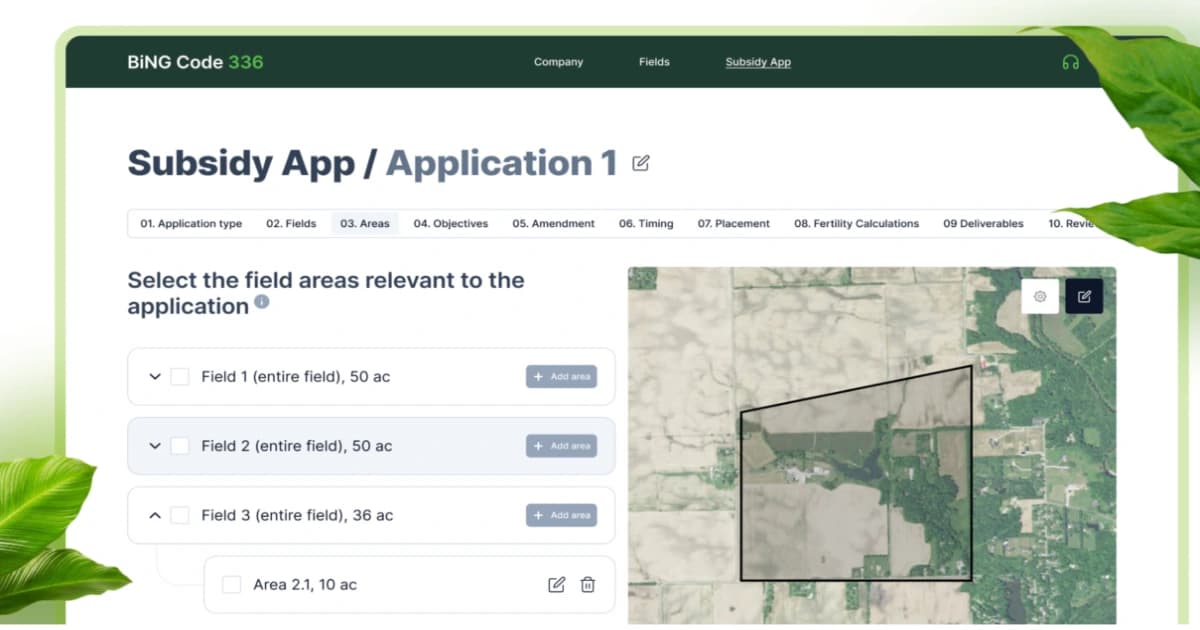
The automated data pipeline ensures continuous data updates, improving the accuracy of predictive models. The real-time analytics dashboard enables farmers to track soil health metrics and measure the carbon impact of biochar applications, supporting data-driven decision-making in agriculture.
Technologies & Tools
PythonGeospatialTensorflowNLTKPyTorchAgroTechBiochar
What I found most impressive about Valletta Development is how they quickly understood complex project requirements and deliver high-quality solutions, maintaining flexibility and responsiveness throughout the process.
Oleg Ryzhkov, CTO