The Evolution of the Search Ecosystem: From Traditional SEO to GEO and AISO
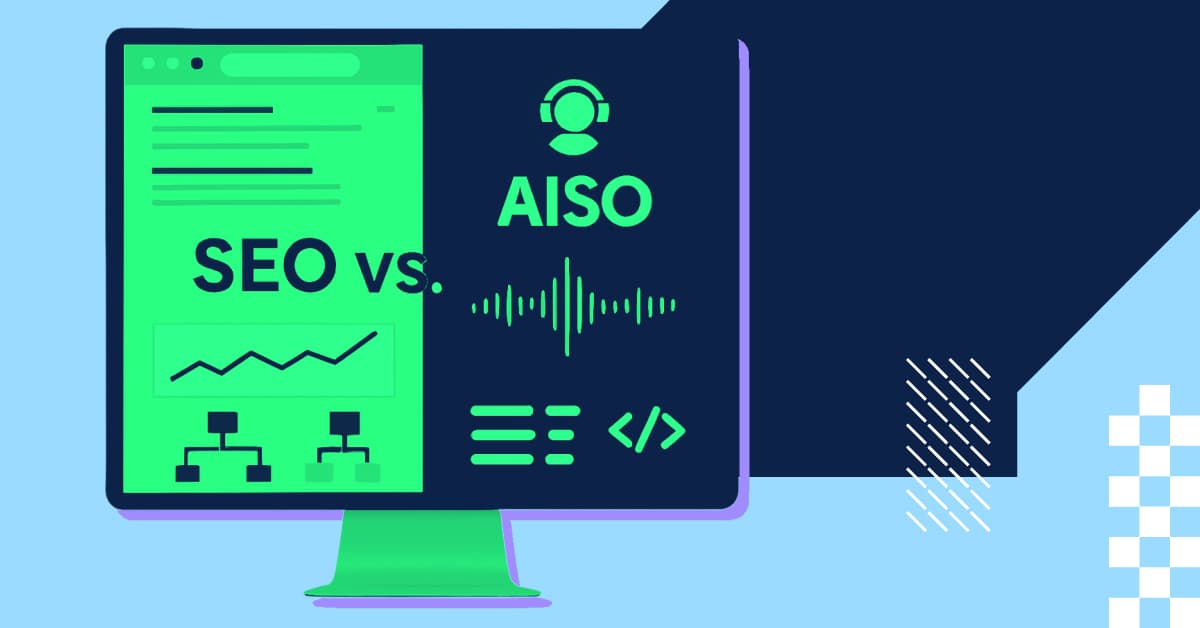
Search Ecosystem Evolution: SEO, SXO, GEO, and AISO The digital marketing landscape is shifting from traditional search to AI-driven discovery. For Marketing Managers, understanding the shift in search paradigms is more critical than tracking individual acronyms.
- Traditional SEO: The Foundation Search Engine Optimization (SEO) originated with Google’s PageRank algorithm.
Focus: Technical optimization and keyword density.
Key Tactics: On-page optimization, link building, and site structure.
Current Role: Remains the technical baseline required for any AI-based optimization.
- SXO: The Split of SEO and UX Search Experience Optimization (SXO) attempted to merge SEO with User Experience (UX).
Goal: Rank high and convert traffic simultaneously.
Outcome: The industry has largely returned to treating Technical SEO and UX Design as specialized, collaborating fields rather than a single discipline.
- SGE and AI Overviews Google's Search Generative Experience (SGE) served as the testing ground for AI integration. It has evolved into:
AI Overviews (AIO): Automated summaries appearing at the top of search results.
AI Mode: A conversational interface where Google functions as an AI assistant.
- GEO vs. AISO: Definitions and Differences GEO (Generative Engine Optimization) GEO is a subset of search optimization focused specifically on Google’s generative features.
Objective: Ensure your brand is cited as a source in AI Overviews and Google’s conversational mode.
Metric: Visibility within AI-generated summaries rather than traditional link lists.
AISO (AI Search Optimization) AISO is a holistic approach to visibility across all Large Language Models (LLMs) and AI tools.
Scope: Visibility in ChatGPT, Claude, Perplexity, and Microsoft Copilot.
Objective: Managing brand authority so that LLMs "know" and recommend your brand based on their training data and web-browsing capabilities.