Building a bespoke clothes rental platform
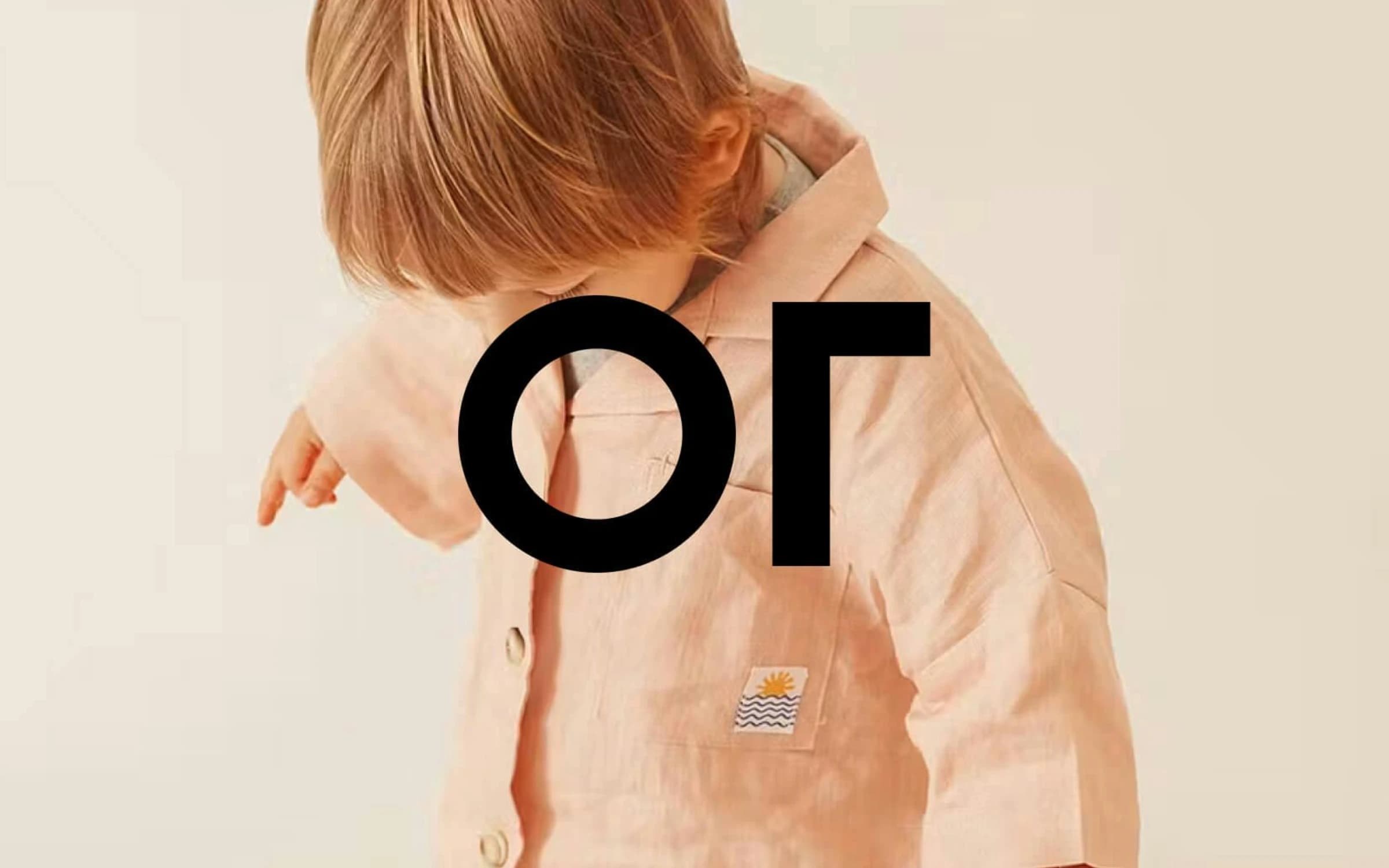
OR Collective rents baby and toddler clothes on subscription — good design, less waste, and one less thing for parents to think about.
Rental works differently to retail. Stock circulates rather than sells, and customers swap and pause rather than buy once. We built the platform from scratch to handle it: subscriptions, swaps, returns, and the inventory logic underneath.
Challenge
Rental isn't retail
OR Collective rents design-led kids' clothes on a monthly plan. The same pieces go out, come back and go out again to someone new, so nothing in a standard e-commerce stack fits: inventory is a count of SKUs rather than a record of individual garments, carts assume purchases, and subscriptions assume a fixed product rather than a rotating wardrobe
Kids grow, plans change
Children outgrow clothes faster than anyone can keep up with, so customers need to swap some pieces and keep others, upgrade, pause and come back. Every one of those actions has a billing and stock consequence that has to happen automatically.
Staying on top of inventory
Rental stock doesn't sit still. Every garment is on a different journey: out with a customer, back at the warehouse, being cleaned, nearing the end of its life. Without a way to track each piece individually and see the whole picture in one place, the team would be reconciling stock by hand and buying on guesswork.
Solution
- Built the platform from the ground up. Rather than bending a retail template, we designed the whole system around rental: subscriptions, swaps, returns and the inventory logic underneath, on Supabase with Stripe, Klaviyo and warehouse integrations.
- Made swaps partial by default. Customers send back what no longer fits, keep what they've grown into, and pick replacements in a couple of clicks. The plan stays the same and returned pieces go straight back into stock with their history intact.
- Built a subscription layer that handles real life. On Stripe, plan changes, prorated billing, pauses and cancellations all happen automatically. Tracked every garment individually. Each item carries its own record: who's worn it, how often, its condition and how much life it has left, so OR Collective knows when to retire a piece, what to reorder and how many wears each garment got instead of being thrown away.
- Automated the warehouse loop. Orders and returns sync automatically via webhooks and reconcile against garment records rather than SKU counts. Damaged pieces are flagged and retired, missing ones chased, and stock stays accurate without manual work.
- Gave the team a bespoke admin portal. One place to run the whole operation: garment tracking, rotation history, condition management, subscriber plans and returns, built around how the team actually works rather than a generic dashboard.
- Turned the data into clear, usable insights. Utilisation reporting shows at a glance which pieces and brands are earning their keep, which are sitting idle, which are nearing the end of their life and what to buy next. No spreadsheets, no exports, just the answer.
Results
OR Collective launched with a platform built for how rental actually works, and a platform that can be run by a small team.
- A wardrobe that grows with the child. Swap, keep and rotate in a couple of clicks, on the same monthly fee.
- Subscriptions that don't break. Upgrades, pauses, prorations and cancellations run without intervention.
- Stock that stays accurate on its own. Warehouse sync and garment-level reconciliation mean the team no longer chases counts by hand.
- Clear insight for the admin team. The portal surfaces what matters without digging: stock health, garment condition, subscriber activity and which pieces are worth reordering, so decisions that used to take a spreadsheet take a glance.
- A measurable sustainability story. Every garment's wear count is tracked, giving OR Collective a concrete number for how many purchases each piece has replaced.
Technologies & Tools
Project Details
2023
Ongoing
$25K – $50K
4 people