How to Leverage Reviews to Increase Sales
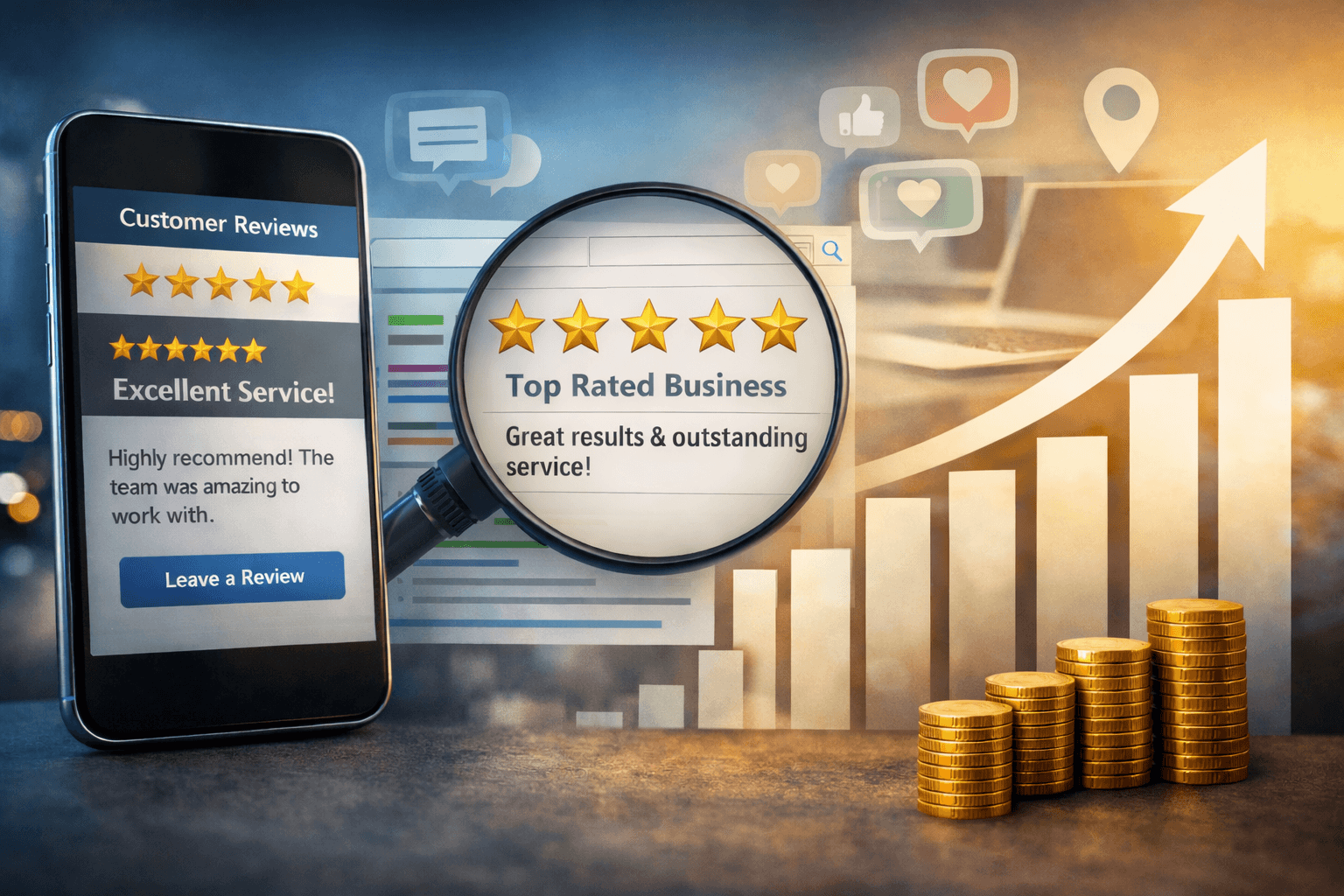
Online reviews are no longer just a reputation metric. They are a sales tool.
When potential customers compare businesses, reviews often shape the decision before a phone call is made, a form is submitted, or a purchase happens. A strong review profile can reduce hesitation, build trust quickly, and move buyers from “still looking” to “ready to choose.”
That is why learning how to leverage reviews to increase sales matters so much. Reviews influence how people perceive your business, how often they click, and how confident they feel taking the next step.
For small and mid-sized businesses especially, customer feedback can do the work of a full-time salesperson. It can answer objections, reinforce credibility, and give prospects the proof they need to move forward.
Why Do Reviews Matter So Much for Sales?
People want reassurance before they spend money. They want to know that your business delivers what it promises, treats customers well, and solves real problems.
Reviews help fill that trust gap.
When someone sees recent, detailed, believable feedback from real customers, it lowers the risk of choosing your business. Instead of relying only on your website copy, they can see what actual buyers experienced.
Reviews can influence sales by helping you:
- Build trust faster
- Reduce buyer hesitation
- Reinforce your value proposition
- Stand out from competitors
- Improve local visibility
- Create stronger conversion paths across search, social media, and your website
In other words, reviews do not just support marketing. They support revenue.
What Types of Reviews Help Increase Sales the Most?
Not all reviews have the same impact.
The most effective reviews for sales are the ones that go beyond a star rating and provide context. They tell a story. They mention the problem, the experience, and the outcome.
High-converting reviews often include:
Specific ResultsA review that says “great company” is nice. A review that says “they helped us increase calls, improve visibility, and bring in better leads” is much more persuasive.Emotional ReassuranceMany buyers want to know how they will feel working with you. Reviews that mention trust, responsiveness, patience, professionalism, or ease of communication can strongly influence conversions.Objection HandlingThe best reviews naturally address doubts. For example, they may mention that your team was transparent, delivered on time, explained the process clearly, or made a complicated project feel manageable.RelevanceReviews from people in similar industries, situations, or service areas are especially powerful. Prospects want to see themselves in the success story.
Where Should You Use Reviews to Increase Sales?
A common mistake is collecting reviews but leaving them on a third-party platform where prospects may or may not find them. If you want reviews to help generate sales, you need to place them where buying decisions happen.
1. Google Business Profile
For many local businesses, Google reviews are the first impression. They can influence whether someone clicks, calls, or keeps scrolling.
2. Service Pages
Add relevant testimonials to pages tied to specific services. When reviews support the exact offer a prospect is considering, they become much more persuasive.3. HomepageYour homepage should quickly establish trust. Featuring a few strong reviews near the top can help validate your business right away.
4. Landing Pages
If you are running paid campaigns or promotions, include reviews that support the specific action you want users to take.
5. Social Media Content
Turn standout reviews into graphics, reels, quote cards, or short posts. This helps extend the life of customer feedback and reinforces trust across channels.
6. Email Marketing
Use reviews in lead nurture emails, follow-ups, and sales sequences. The right testimonial at the right moment can help move someone closer to conversion.
7. Proposals and Sales Materials
Reviews can strengthen presentations, proposals, and leave-behinds by giving prospects confidence that others have already made the same choice successfully.
How to Leverage Customer Reviews as Sales Assets?
The key is to treat reviews as active marketing content.
Too many businesses view reviews as something passive: nice to have, but not central to growth. In reality, reviews can become part of your content strategy, conversion strategy, and search visibility strategy.
Here is how to make that shift.
Ask for Better Reviews, Not Just More Reviews
Volume matters, but quality matters too.
Instead of asking customers to “leave a review,” guide them with prompts that encourage useful detail. For example:
- What problem were you trying to solve?
- Why did you choose our business?
- What stood out about your experience?
- What results did you see?
- Would you recommend us, and why?
These prompts can lead to reviews that are more authentic, specific, and persuasive.
Match Reviews to the Right Buyer Journey Stage
Different reviews support different stages of decision-making.
- Early-stage prospects may respond best to reviews that establish credibility and professionalism.
- Mid-stage prospects may want reviews that explain process and communication.
- Decision-stage prospects often want proof of outcomes and satisfaction.
When you organize reviews this way, they become easier to deploy strategically.
Feature Reviews That Mirror Common Sales Objections
Think about the concerns prospects mention most often. Maybe they worry about price, timing, trust, responsiveness, or whether your service really works for their type of business. Reviews that directly address those concerns can help remove friction.
Repurpose Reviews Across Channels
One strong review can become:
- A website testimonial
- A Google post idea
- A social media graphic
- An email snippet
- A sales deck proof point
- A case study starting point
- A short-form video script
This helps you get more value from the customer feedback you already have.
Can Reviews Help With SEO and AI Search Visibility?
Yes. Reviews can support both traditional search visibility and generative engine search performance when used strategically.
They add fresh, customer-centered language to your digital presence. They reinforce trust signals. They also help searchers and AI-driven platforms understand how people describe your business, your service quality, and the outcomes you deliver.
Review content can strengthen your online presence when it appears in places like:
- Google Business Profile
- Review platform listings
- Website testimonials
- Service page copy
- FAQ content
- Case studies
- Review-focused schema and structured content
For a business investing in modern visibility, reviews should not sit apart from SEO. They should support it.
How Should You Respond to Reviews to Support Sales?
Getting reviews is only part of the equation. Responding to reviews matters too.
A thoughtful response shows that your business is active, engaged, and attentive. It tells future customers that feedback matters and that you are serious about the customer experience.
For Positive Reviews
Thank the customer, reinforce something specific they mentioned, and keep the tone human and professional.
For Negative Reviews
Respond calmly. Acknowledge the concern. Avoid defensiveness. Offer an offline path to resolution when appropriate.
A strong review response does not just help the reviewer. It helps every future prospect reading the exchange.
What Are Common Mistakes Businesses Make With Reviews?
Even businesses with good reviews often fail to use them effectively.
Only Collecting Reviews on One Platform
You want a strong presence where your audience actually searches and compares options.
Hiding Reviews on a Single Testimonials Page
Testimonials should appear throughout the site, especially near conversion points.
Never Asking for Reviews
Happy customers often need a reminder. If you do not ask, you may miss valuable feedback.
Ignoring Negative Reviews
Silence can look like indifference. A professional response often matters more than the original complaint.
Using Generic Testimonials
Short, vague reviews rarely do as much as specific, outcome-oriented ones.
Failing to Connect Reviews to Revenue
Reviews should be part of your sales and marketing system, not a disconnected side task.
How Can Small Businesses Build a Review Strategy That Actually Drives Sales?
A simple, repeatable process works best.
Step 1: Decide Where Reviews Matter Most
Focus first on the platforms and pages that influence buying decisions, such as Google, key service pages, and landing pages.
Step 2: Create a Consistent Ask
Ask for reviews at natural moments, such as after a successful project, completed service, repeat purchase, or positive support interaction.
Step 3: Use a Simple Prompt
Make it easy for customers to leave detailed, useful feedback.
Step 4: Monitor and Respond
Review management should be ongoing, not reactive.
Step 5: Repurpose Strong Reviews
Turn customer feedback into content assets that support search, social, email, and sales conversations.
Ready to Put Your Reviews to Work?
If your business is collecting reviews but not using them to drive visibility, trust, and conversions, it may be time for a more strategic approach.
Precision Marketing Partners offers reputation management and digital marketing services designed to help businesses strengthen credibility, improve online visibility, and create better customer touchpoints across the buyer journey.
A strong review strategy can help you do more than look good online. It can help you sell more confidently.