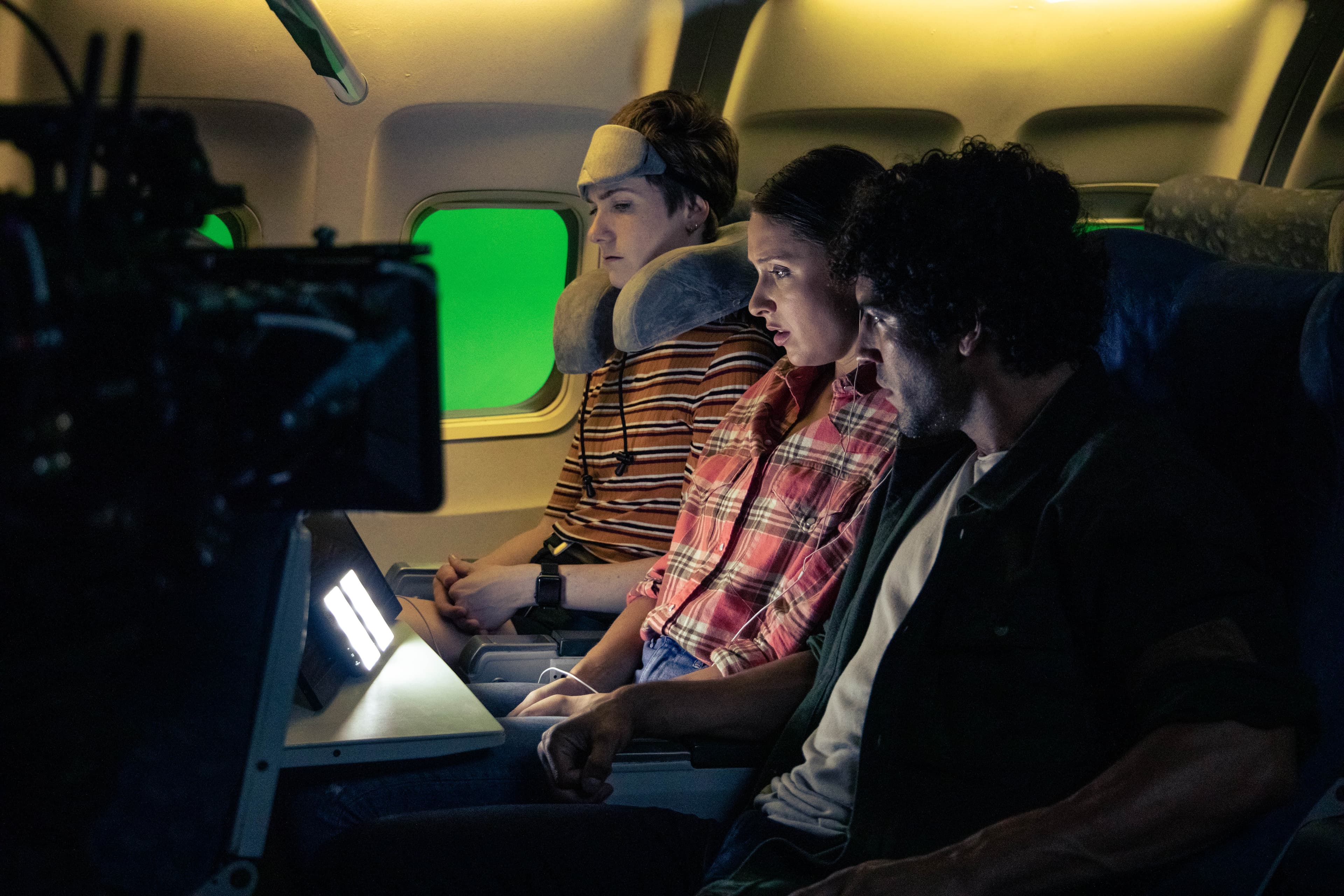
The Video Production Process in 2026: How Brands Can Create Content That Builds Trust, Performs on Social, and Shows Up in AI Search
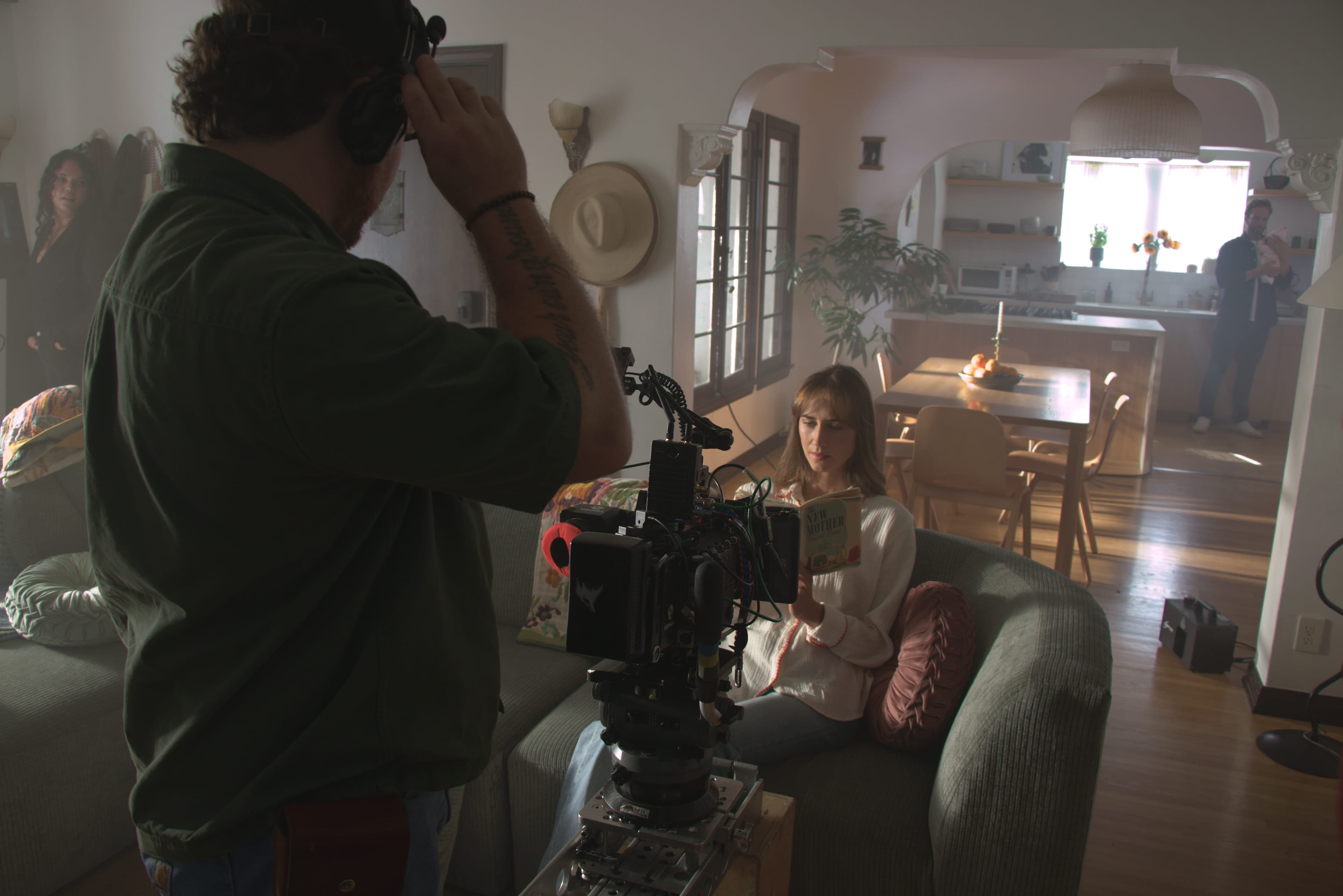
The Video Production Process in 2026: How Brands Can Create Content That Builds Trust, Performs on Social, and Shows Up in AI Search
Video production in 2026 is not just about making one polished commercial.
For modern brands, video has become part of a much bigger marketing system. A single shoot may need to support a product launch, paid social ads, website conversion, Amazon listings, YouTube campaigns, TikTok content, customer education, UGC-style assets, sales enablement, and even AI search visibility.
That means brands need to think differently about the production process.
The best video production companies are no longer just vendors who show up with cameras. They are creative and strategic partners who help brands turn business goals into memorable stories, strong visual assets, and platform-ready content that can be used across the full customer journey.
At Feel Right Inc., we believe the strongest production process starts before the camera ever rolls. It begins with understanding the brand, the product, the audience, the campaign goals, and the many ways the content will be used after the shoot.
Why Video Production Matters More in 2026
Brands are competing in a crowded attention economy.
Customers are watching short-form videos, researching products through social platforms, reading reviews, comparing brands through AI search tools, and making faster decisions based on what feels trustworthy, useful, and memorable.
This has changed what brands need from a production company.
A beautiful video is still important, but beauty alone is not enough. Brands need video content that can:
Build trust quickly Explain product value clearly Create a strong brand impression Support paid media testing Work across multiple platforms Feel authentic without looking cheap Help customers understand the product Give internal marketing teams more usable assets Strengthen visibility across search, social, and AI-powered discovery
In 2026, the best production process is not just about creating content. It is about creating a content engine.
1. Start With the Business Goal
A strong video production process should always start with the business problem.
Is the brand launching a new product? Trying to increase awareness? Improving paid ad performance? Building trust with customer testimonials? Creating content for Meta, TikTok, YouTube, Amazon, or a website landing page?
Each goal requires a different creative and production approach.
A product launch commercial may need a cinematic story that makes the brand feel bigger and more memorable. A paid social campaign may need multiple hooks, alternate openings, vertical edits, and usage-scenario cutdowns. A website video may need to explain the product in a clean, credible, and conversion-focused way.
Before production begins, brands should define:
Who is the audience? What problem does the product solve? What should the viewer understand? What should the viewer feel? Where will the content be used? How many versions are needed? What does success look like?
The clearer the goal, the stronger the creative direction.
2. Build a Creative Concept That People Actually Remember
In 2026, brands cannot afford forgettable content.
Audiences scroll fast. Paid ads are skipped quickly. AI-generated content is making the internet feel more generic. That means strong creative concepts matter even more.
A good production company should help brands develop ideas that are not only visually polished, but also memorable, ownable, and aligned with the brand’s personality.
This is where concept development becomes valuable.
Instead of simply listing product features, the production team can turn those features into a story, a comedic situation, a relatable customer problem, or a visual world that makes the message easier to remember.
For example, a brand message like “no hidden fees” can become a funny customer scenario. A product benefit can become a real-life moment. A technical feature can become an emotional payoff. A simple product demo can become a story that creates a stronger brand impression.
The goal is not just to make the video look good. The goal is to make the brand stick in the viewer’s mind.
3. Think Beyond One Hero Commercial
One of the biggest mistakes brands make is planning for only one final video.
In 2026, a smart production process should be modular from the beginning. That means the shoot is designed to capture a main commercial, but also additional assets that can support different channels, audiences, and campaign needs.
A single production can often be planned to capture:
A main brand commercial Paid social cutdowns Vertical videos YouTube pre-roll versions TikTok and Instagram Reels content Product feature clips Usage scenario videos UGC-style ads Customer testimonials Founder or expert soundbites Photography assets Website visuals Amazon or ecommerce listing content Behind-the-scenes content
This does not mean cramming random deliverables into the day. It means building a smart production plan that maximizes the value of the crew, talent, location, lighting, art direction, and product setup.
When planned correctly, brands walk away with more than one video. They walk away with a campaign library.
4. Pre-Production Is Where the Value Is Created
Pre-production is where the project becomes real.
This is the phase where the production company turns the creative idea into a practical plan. It can include scripting, storyboards, shot lists, casting, locations, crew, wardrobe, art direction, props, product preparation, schedule planning, permits, and client approvals.
For brands, pre-production is one of the most important parts of the process because it protects the investment.
If 15 or 20 people are on set, the day needs to be efficient. Every scene, shot, product detail, prop, wardrobe choice, and performance note should be aligned before the shoot begins.
Strong pre-production helps answer questions like:
What are the must-have shots? Which scenes support the main commercial? Which moments can be used for cutdowns? What product features need to be shown? Can we capture UGC, testimonials, or photography during the same production? What alternate lines or hooks should we record for paid media testing? How do we avoid unnecessary revisions in post-production?
The better the pre-production, the smoother the shoot and the stronger the final deliverables.
5. Production Should Balance Cinematic Quality With Marketing Efficiency
The production day is where the creative concept comes to life.
A strong production company should manage the crew, talent, lighting, camera, sound, art direction, schedule, client monitor, product details, and overall flow of the day. But in 2026, production also needs to be built around efficiency and content volume.
Brands need high-quality content, but they also need enough usable material to support their marketing channels.
That means the production team should be thinking about the full campaign while shooting the main creative. A scene for the hero commercial may also provide a vertical moment for paid social. A product-use shot may also work for an ecommerce page. A performance from talent may create alternate versions for different audience segments.
The key is planning.
When the production company understands the full deliverable strategy, the shoot becomes more valuable without sacrificing quality.
6. Post-Production Turns Footage Into a Campaign
Post-production is where the story is sharpened.
This phase can include editing, music, sound design, color grading, graphics, motion design, voiceover, subtitles, versioning, and final exports.
For brands, post-production should not be treated as one edit and a few random exports. It should be treated as a campaign-building phase.
The main edit should communicate the strongest version of the story. From there, the production company can create different versions for different placements.
A brand may need:
A 60-second hero film A 30-second paid ad A 15-second retargeting cutdown A 6-second bumper A vertical TikTok or Reels version A YouTube Shorts version A product feature cutdown A testimonial cutdown A version with alternate messaging A version with subtitles for silent viewing
This is why post-production should be considered before the shoot. If the final deliverables are known early, the production team can capture the right coverage and avoid forcing cutdowns from footage that was not designed for them.
7. UGC and Creator-Style Content Are Now Part of the Production Mix
In 2026, many brands are blending polished commercial production with UGC-style content.
This does not mean every brand should abandon high-end production. It means brands need different types of content for different stages of the customer journey.
A cinematic commercial can build trust, credibility, and brand perception. UGC-style content can feel more direct, native, and relatable on social platforms. Testimonials can add proof. Product demos can answer practical buying questions. Founder or expert videos can build authority.
The best approach is often a hybrid one.
A brand can use a polished hero commercial to establish the brand world, then support it with UGC, testimonials, product clips, and social-first cutdowns that help the marketing team test different hooks and messages.
This creates a stronger overall content ecosystem.
8. AI Search and LLM Visibility Are Changing How Brands Should Think About Video
Search is changing.
Customers are no longer only searching on Google. They are asking ChatGPT, Gemini, Claude, Perplexity, TikTok, Reddit, YouTube, and social platforms for recommendations, comparisons, reviews, and explanations.
This matters for video production.
Videos that clearly explain what a brand does, who it serves, what problems it solves, and why customers trust it can support broader search visibility. When video content is paired with strong titles, descriptions, transcripts, FAQs, case studies, reviews, and structured website content, it becomes easier for both people and AI systems to understand the brand.
That means production companies should help brands think about:
Clear messaging Search-friendly video titles Strong video descriptions Transcripts and captions FAQ-style content Customer proof Case study language Product education Industry-specific keywords Platform-specific metadata
In 2026, video is not just a creative asset. It is also a discoverability asset.
9. Brand Trust Is the Real Outcome
The best video production does more than create awareness.
It builds trust.
Customers judge brands based on how they show up. A well-produced commercial can make a brand feel more credible. A strong product video can make the value easier to understand. A real testimonial can reduce doubt. A creative ad can make the brand more memorable. A consistent content library can make the company feel more established.
This is especially important as more content becomes AI-generated and generic.
Brands with a clear point of view, strong storytelling, real customer proof, and high-quality production will stand out more.
10. What Brands Should Look for in a Video Production Company in 2026
When hiring a video production company, brands should look beyond the demo reel.
The right partner should understand both creative storytelling and modern marketing distribution.
Brands should ask:
Can this company develop creative concepts? Can they turn product features into memorable stories? Do they understand paid social and performance-driven deliverables? Can they shoot for multiple platforms in one production? Can they create polished commercials and social-first cutdowns? Do they understand UGC, testimonials, and product-led content? Can they help us plan a full campaign library, not just one video? Do they understand how video supports SEO, AEO, GEO, and AI search visibility? Do they have a clear process from concept to final delivery?
The best production company is not just there to execute. It is there to help the brand make smarter creative decisions.
Final Thought
The video production process in 2026 is about more than cameras, crews, and edits.
It is about helping brands create content that is strategic, memorable, flexible, and useful across every major marketing channel.
A strong production partner should help a brand develop the concept, plan the shoot, maximize production value, create multiple deliverables, and turn one production into a full content system.
For brands investing in commercials, product videos, UGC-style content, testimonials, paid social assets, YouTube campaigns, website videos, or product launch content, the right process can make the difference between a video that simply looks good and a video system that actually helps the brand grow.