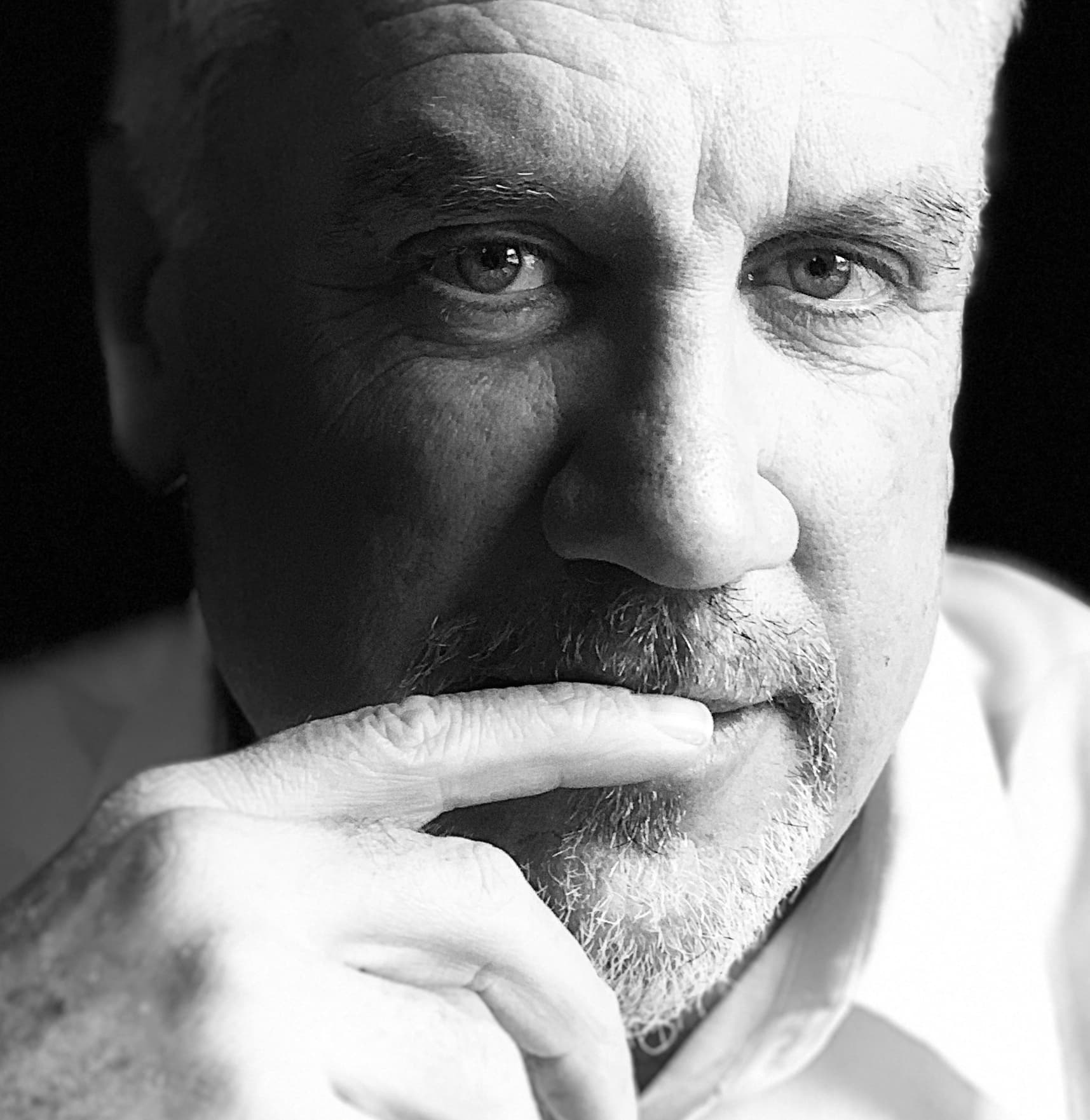
Expert to Know: Craig Lloyd
What's the backstory behind starting or joining your agency?
People often ask why I started Glint Advertising. The truth is, it wasn't because I wanted to own an agency. It was because I wanted to build a different life. Early in my career, I worked inside the traditional agency environment. I learned a tremendous amount, but I also saw a system that often prioritized the process over the people. Great work was being created, yet clients were frequently handed off from department to department, communication was fragmented, and success was measured by projects rather than long-term business outcomes. It didn't feel like the way business should be done.
At the same time, I had another dream that had nothing to do with advertising. I wanted the flexibility to be present for my family. I wanted to coach my kids' teams, attend school events, and be there for the moments that can't be rescheduled. I didn't want to spend my career building someone else's vision while sacrificing the people who mattered most to me.
There was also a part of me that simply wanted to find out if I could do it. Could I build something from nothing? Could I create a company that clients genuinely trusted? Could I build a reputation based on relationships rather than sales pitches? Could a business succeed by putting people before process? I decided it was worth finding out.
From the beginning, I believed the advertising industry needed a different model. Businesses don't need another vendor that waits for the next project. They need a partner who understands their business well enough to help solve problems, uncover opportunities, and think beyond marketing. That belief became the foundation of Glint.
Over the years, the company has grown, the services have expanded, and the technology has evolved, but the philosophy hasn't changed. We still believe that understanding comes before promotion, that strategy should guide creativity, and that relationships will always outperform transactions. That same philosophy eventually inspired Ncubāt Studios.
The studio was never intended to be just office space. It was created as an ecosystem where talented people could work alongside one another, challenge each other's thinking, share opportunities, and build stronger businesses together. In many ways, it's an extension of the same belief that started Glint: that great things happen when people collaborate, support one another, and focus on solving meaningful problems rather than simply completing tasks.
Looking back, I realize I wasn't building an advertising agency at all. I was building the kind of company I wished had existed when I started my career. A place where clients feel like partners, where creativity serves a business purpose, where relationships matter, and where success isn't measured only by revenue, but by the freedom to build a meaningful life alongside a meaningful business. More than twenty-six years later, that's still what drives me every day.
What was your first entrepreneurial moment?
My first entrepreneurial moment wasn't landing my first client. It was realizing that running a business required an entirely different way of thinking than simply doing good work.
I quickly learned that tax strategy mattered just as much as revenue, that investing in office space was a commitment to the future, and that cash in the bank didn't always mean cash you could use. I still remember depositing a $20,000 check, thinking everything was on track, only to be told the funds would be held for ten days. It was a wake-up call. I had to advocate for my business and make sure things were handled correctly.
Those experiences taught me to think beyond today's project. As an entrepreneur, you have to prepare for the unknown, protect your cash flow, and make decisions that position the business for long-term success. That shift in mindset was the moment I realized I wasn't just working in a business anymore. I was responsible for building one.
How do you define success today?
Success today looks very different from what it did when I started. Early in my career, success was measured by revenue, growth, and achieving the next milestone. Today, I define success by freedom and impact. It's being able to help someone, whether it's a client, friend, employee, or complete stranger, without having to calculate whether I can afford to. The amount isn't what matters. It's having the ability to give without hesitation. Success is also having the discipline to control my own time. I work hard because I choose to, not because I'm chasing someone else's approval or expectations. Equally important is giving myself permission to slow down, spend time with my family, and enjoy the life I've worked to build.
To me, success isn't about having more. It's about having enough freedom, enough peace of mind, and enough purpose to invest in the people and moments that matter most.
What are the most energizing moments in your work?
The most energizing part of my work is creating something that didn't exist before. I enjoy brainstorming with clients, working through challenges, and watching an idea evolve from a conversation into something tangible. Whether it's a brand, campaign, strategy, website, video, or another solution, it never gets old seeing something our team created become part of the world.
That's what keeps the work fresh for me. Every client brings a different challenge, every solution is unique, and every project is an opportunity to create something meaningful that wouldn't have existed otherwise.
Describe your typical daily routine.
My day usually starts around 6:00 every morning. I like to begin with a cup of coffee on the patio while my dog hangs out nearby. Listening to the birds and the waterfall, I go through my email and calendar, giving myself time to organize my thoughts and prepare for the day ahead.
I'm usually at the office around 9:00. The day starts with catching up with the team before shifting into client conversations, strategy sessions, brainstorming, and creative development. Those are the moments I enjoy most because every client brings a different challenge and every day presents an opportunity to create something new.
Whenever possible, I take a long lunch. It's a chance to disconnect for a bit, recharge, and come back with a fresh perspective.
I prefer to handle meetings, communication, and day-to-day responsibilities during business hours, so the evenings remain uninterrupted for family, downtime, and solving creative challenges. That's when I can think deeply, explore ideas without distractions, and focus on the work that requires the most creativity.
Any personal rituals or habits that contribute to your success?
I intentionally make time to be alone with my thoughts. Some of my best ideas come when I'm away from the noise, reflecting on challenges and questioning assumptions that most people accept as "the way it's always been done."
I've also learned not to feel guilty about that time. Thinking isn't the absence of work. For me, it's often the most valuable work I do. Creating space to reflect, challenge conventional thinking, and connect ideas has contributed more to my success than simply staying busy.
How does your agency differentiate itself from competitors?
Our biggest differentiator isn't a service we offer. It's the way we connect. We're known for asking "why" before we say "yes." If a client comes to us asking for a website, a campaign, or a video, we don't immediately start talking about deliverables. We want to understand what they're trying to accomplish. Many times, the best solution isn't the one they originally requested.
That approach stems from the belief that marketing should solve business problems, not simply produce marketing materials.
We've also intentionally built an environment that reflects that philosophy. Ncubāt Studios wasn't created as office space. It was designed as a creative ecosystem where people with different expertise can challenge one another's thinking, share perspectives, and develop ideas that wouldn't emerge in isolation. Whether the solution comes from branding, technology, automation, content, digital strategy, or an unexpected collaboration, our clients benefit from a broader range of thinking than a traditional agency model typically provides.
We also believe relationships outperform transactions. Many agencies are structured around projects. We prefer to become a long-term strategic partner that understands where a business is headed, not just what it needs next month. That means we're just as comfortable questioning an idea as we are executing one, because our responsibility is to help clients make the best business decision, not simply the easiest one.
At the end of the day, we aren't trying to be the agency that says "yes" the fastest. We want to be the partner that asks the questions others don't, uncovers opportunities others miss, and creates solutions that simply wouldn't exist if we hadn't taken the time to understand the business first
What core principles and values guide your agency?
We believe marketing isn't about promotion or selling. It's about building trust with people considering engaging with a business. When trust exists, marketing becomes less about convincing someone to buy and more about helping them make a confident decision.
Another belief that shapes our agency is that our job isn't always to have the best answer. Our job is to recognize the best answer when it surfaces. Sometimes that happens in a client meeting. Sometimes it's during a brainstorming session. Sometimes a client says something in passing that reveals the real opportunity. We pay attention to those moments because the best ideas don't always come from us. Of course, when the right solution doesn't naturally reveal itself, that's where our experience matters. We enjoy digging deeper, challenging conventional thinking, and creating solutions that wouldn't exist otherwise. But we never let our expertise get in the way of listening.
The best work comes from curiosity, collaboration, and recognizing that great ideas can come from anywhere.
What's your approach to hiring and building a team?
When we hire someone, we're not just hiring a skill set. We're investing in a person.
Everyone is their own brand. If you tell us you can do something, we'll believe you. If you tell us what you're worth, and we agree, we'll pay it. In return, we expect you to take ownership of the responsibilities that come with both. Accountability isn't something we manage every day. It's something we expect from the beginning.
We also look for people who want to contribute, not simply execute. Order takers rarely thrive here, no matter how talented they are. We want people who ask questions, challenge ideas respectfully, identify opportunities, and help make the work better. Great businesses aren't built by people who only complete tasks. They're built by people who think.
One of the things that makes our team different is that everyone is expected to understand the business beyond their own role. A designer should understand sales. A salesperson should understand production. A project manager should understand creative. When you understand what it takes for everyone else to succeed, you make better decisions, communicate more effectively, and produce stronger work for the client.
We also recognize that experience changes everything. Senior professionals often make difficult work look effortless, but that level of efficiency is earned through years of learning. Early in your career, hard work often compensates for a lack of experience. Over time, experience allows you to work smarter without sacrificing quality. We embrace both parts of that journey.
Finally, we have a simple expectation: leave everything you touch in the best possible place for the next person. Don't finish your part and move on. Think about who's receiving it next and what they need to be successful. Spending a little more time planning, documenting, and organizing upfront saves countless hours later and reflects the respect we have for one another's work.
Ultimately, we hire people who take ownership, think beyond their job description, and care about the success of the entire team. Those are the people who grow here, and they're the ones who help our clients grow as well.
What types of clients or projects do you say no to?
We don't need every client. We need the right clients.
The projects we turn down usually aren't about the industry or the budget. They're about fit. We're generally not the right agency for businesses looking for one-off projects that exist in isolation. A website without a strategy. A logo without a brand. A campaign without a long-term plan. While we can certainly execute those projects, we've learned they rarely create the kind of value our clients are truly looking for.
We're also probably not the best fit for organizations that simply want an order taker. If the expectation is to tell us what to build without discussing the "why," there's a good chance we're missing better opportunities. We believe our responsibility is to ask questions, challenge assumptions, and make sure we're solving the right problem before we begin.
The clients we enjoy working with see us as a strategic partner rather than a vendor. They're open to collaboration, value honest and uncomfortable conversations, and understand that the best solutions often come from exploring ideas together. They recognize that branding, marketing, technology, and communication work best as an integrated system rather than a collection of individual projects.
Those relationships are where we do our best work. When everyone is working toward the same long-term vision, the results become more meaningful, more sustainable, and far more rewarding for everyone involved.
What marketing or industry trends do you think are overhyped?
I think one of the most overhyped ideas in marketing is that every business needs to be everywhere.
Every time a new platform or channel gains momentum, companies feel pressure to jump in because everyone else is doing it. The reality is that very few organizations have the time, budget, or resources to do everything well. More importantly, many of them shouldn't. I'd rather see a business execute exceptionally well on the channels that matter most to its audience than spread itself thin trying to keep up with every trend.
Marketing trends come and go. Human behavior changes much more slowly. People still want to do business with companies they trust, understand, and remember. That hasn't changed.
My advice is to know who you are, be confident in that, and build from there. Focus on the platforms, messages, and experiences that strengthen your brand, rather than chasing every new opportunity that comes along. Growth isn't about being everywhere. It's about being in the right places, for the right people, with the right message.
That's why we always start with strategy. Once you know who you are and where you're trying to go, it becomes much easier to decide which opportunities deserve your attention and which ones are simply distractions.
What do you predict for the industry in the next 5-10 years?
I think the next five to ten years will create a clear separation between those who think and those who simply produce.
As AI and automation become standardized, technical execution will become more accessible than ever. Creating content, writing copy, designing graphics, and building websites will continue to get faster and less expensive. Those capabilities will become expected, not exceptional. The real differentiator will be knowing what to create, why it matters, and when it's the right solution. Everyone will have access to the same tools, but not everyone will know which button to push, when to push it, or whether to push it at all.
I also believe businesses that rely on quick, interchangeable solutions will struggle. As more companies use the same technology, prompts, and shortcuts, their brands will begin to look and sound increasingly alike. That sameness will make it harder to earn attention, build trust, and ultimately compete.
The organizations that thrive will be the ones with a clear point of view, authentic leadership, and the confidence to build a brand around who they are instead of chasing whatever is trending.
One challenge I do see is the loss of apprenticeship. For generations, experienced professionals passed along judgment, intuition, and the soft skills that can only be learned by working alongside people who have already solved difficult problems. As technology accelerates and fewer people spend years mastering the fundamentals, the transfer of knowledge becomes more difficult. Experience, curiosity, communication, and sound judgment will become even more valuable. Technology will continue to evolve, but trust, relationships, and critical thinking will remain the qualities that set great businesses and great leaders apart.
What advice would you give someone starting an agency today?
If I were starting an agency today, I'd spend less time learning how to sell marketing and more time learning how businesses actually work. Understand sales. Learn finance. Study operations. Observe how companies make decisions and why customers choose one business over another. Marketing is much more effective when you understand the business behind it.
I'd also find people who challenge my thinking. Don't build your career in isolation. Surround yourself with experienced professionals, ask questions, listen more than you talk, and learn from people who have already solved the problems you're about to face. Technical skills can be learned quickly. Judgment takes time.
Finally, don't try to be everything to everyone. Develop a point of view, stand behind it, and build your reputation around solving problems, not just delivering services. There will always be someone who can do the work cheaper. It's much harder to compete with someone who consistently helps clients make better business decisions.
And if you're looking for a place to learn, collaborate, and grow alongside other creative and business professionals... I'd tell you to join Ncubāt Studios. That's exactly why we built it.
What's your agency's pricing philosophy?
Our pricing philosophy is simple: the investment has to make sense for both the client and the agency.
One of our guiding beliefs is that the right investment at the wrong time is still the wrong investment, and the wrong investment at the right time is still the wrong investment.
Great marketing isn't just about choosing the right solution. It's about choosing the right solution at the right time for where a business is today. Timing, priorities, resources, business objectives, and available investment all matter. That's why we spend so much time understanding the business before recommending a path forward. We don't believe in selling the biggest package or trying to maximize every dollar. We recommend the investment we believe will create the greatest long-term value within a client's budget. Sometimes that's a comprehensive engagement. Other times it's a smaller, more focused starting point that can expand as the business grows.
We're also honest when we don't think a budget is enough to accomplish a client's goals. We'd rather have that conversation upfront than overpromise and underdeliver. Likewise, there are times when we recommend waiting because the business isn't yet in the right position to benefit from the investment. Our responsibility is to help clients make good business decisions, not simply sell marketing services.
We don't compete on price alone. There will always be someone willing to do the work for less. Our clients choose us because they value thoughtful strategy, honest guidance, and a long-term partner who is invested in their success.
How do you balance growth with sustainability?
We believe growth should never outpace our ability to deliver excellence. Too many businesses chase revenue, add services, hire people, and expand faster than they can maintain the quality that made them successful in the first place. Growth for the sake of growth has never been our objective.
We grow intentionally. That means we're willing to say no to opportunities that don't align with our philosophy, invest in systems before they're needed, and build a team that shares our values rather than simply increasing headcount. We'd rather be known for consistently delivering exceptional work than for being the biggest agency in the room.
Sustainability also means creating a business that supports the people inside it. We believe a business should enhance your life, not consume it. Long hours are sometimes necessary, but they shouldn't become the culture. The best ideas come from people who have the time to think, the freedom to recharge, and the perspective that comes from living a full life outside the office.
Ultimately, we balance growth by asking a simple question before every major decision: Will this make us better, or just bigger? If it doesn't strengthen our team, improve our clients' experience, or position the business for long-term success, it's probably not the right decision.
We've learned that sustainable growth isn't about doing more. It's about becoming better at what matters most.
What are the essential software tools your agency relies on?
Our software stack is built around one goal: helping our team collaborate, communicate, and create efficiently.
We rely on professional creative tools like Adobe Creative Cloud for design, video production, photography, and content creation. Project management and communication platforms keep our team aligned and our clients informed, while automation and CRM tools help us manage marketing campaigns, customer relationships, and repetitive tasks more effectively.
We also use analytics and reporting platforms to measure performance, understand user behavior, and guide business decisions with data rather than assumptions. AI has become another valuable tool in our workflow, helping us research, organize ideas, and accelerate production. Like any tool, though, its value depends on the experience and judgment of the person using it.
One of the most important systems we rely on isn't an off-the-shelf platform at all. Over the years, we've developed our own internal processes and frameworks that bring consistency to strategy, creative development, project execution, and client communication. Those systems allow us to spend less time reinventing the process and more time solving our clients' business challenges.
At the end of the day, software doesn't make a great agency. It simply helps great people work more efficiently. The real value still comes from strategic thinking, collaboration, and experience.
Remote, hybrid, or in-office — what works for your team and why?
We believe every work environment has its place, but for our team, being together creates an advantage that's difficult to replicate remotely. Some of the best ideas don't come from scheduled meetings. They come from overhearing a conversation, walking into someone's office with a question, sketching an idea on a whiteboard, or building on a thought that surfaced over coffee. Those moments happen naturally when talented people share the same space.
That's one of the reasons we created Ncubāt Studios. It wasn't just about providing offices. It was to create an environment where collaboration happens organically, where different disciplines challenge each other's thinking, and where ideas have room to evolve. That doesn't mean we believe everyone has to be in the office all the time. There are tasks that are often better suited for a quiet home office and others that benefit from uninterrupted focus. We trust our team to manage their time responsibly.
When it comes to collaboration, strategy, brainstorming, and building relationships, however, there's still tremendous value in being together. Technology makes communication easier. It doesn't replace the energy, trust, and creativity that develop when people work alongside one another. For us, the question has never been remote versus in-office. It's about creating the environment where people do their best thinking and where our clients receive the greatest value.
What's a belief you hold about the industry that most would disagree with?
I believe advertising has far less influence on a company's success than our industry likes to admit.
Advertising doesn't create great businesses. Great businesses create great advertising.
If a company has a weak product, poor service, inconsistent operations, or a confused culture, marketing might create temporary awareness, but it won't create long-term success. Eventually, the customer experience catches up with the message. That's why we spend so much time talking about business strategy before we talk about marketing. Sometimes the biggest opportunity has nothing to do with advertising at all. It might be improving the customer experience, clarifying the company's positioning, refining a process, or helping leadership communicate a clearer vision.
I also believe agencies should spend less time proving their creativity and more time helping clients make better business decisions. Creative work is important, but creativity without purpose is just decoration. Marketing should amplify what's already true about a business. It shouldn't be expected to compensate for what the business hasn't yet become.
What do clients often misunderstand about agency work?
I think clients often misunderstand that they're not really hiring an agency to create deliverables. They're hiring an agency to make better decisions. Anyone can build a website, produce a video, design a logo, or manage social media. The real value isn't in creating those things. It's knowing whether they should be created in the first place, defining what they should look like, sound like, and communicate, understanding how they fit into the larger business strategy, and knowing the impact they'll have over time.
I also think many people underestimate how much thought goes into creative work before it begins. The strategy sessions, research, brainstorming, problem solving, and conversations often determine the success of a project long before the first design is created or the first word is written.
Finally, clients sometimes believe an agency's job is to say "yes." I believe our job is to ask better questions. If we simply execute every request without understanding the business objective behind it, we're not doing our job. The best agencies don't just produce work. They help clients avoid costly mistakes and recognize opportunities they may not have seen on their own.
The deliverables are tangible. The thinking and judgment behind them are where the real value lives.
What keeps you passionate about this industry?
What keeps me passionate is the ability of our work to turn ideas into reality.
It never gets old driving past a billboard, seeing a commercial, walking through a business, or watching a brand come to life, knowing it didn't exist before our team helped create it. There's something incredibly rewarding about taking an idea that lived only in a conversation and seeing it become part of the world.
I've always believed people are unique because we're able to believe in things we can't yet see. Every successful business, every memorable brand, and every meaningful innovation started as an idea in someone's mind before it became reality. Our job is to help clients give shape to those ideas, communicate them clearly, and build trust around them.
That's what keeps the industry exciting for me. Technology will change. Marketing channels will evolve. But helping people transform a vision into something real that others can experience, believe in, and connect with never gets old.